Culture and history in the landscape
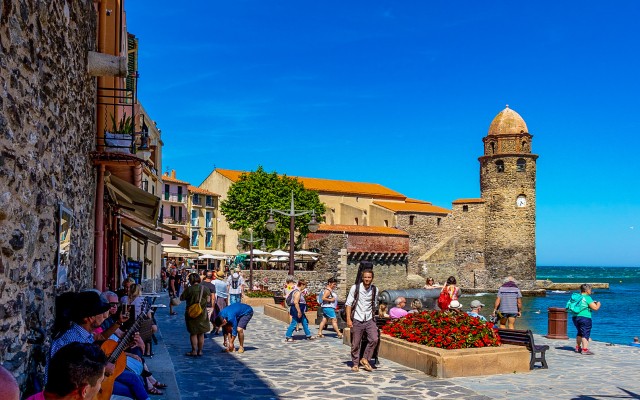
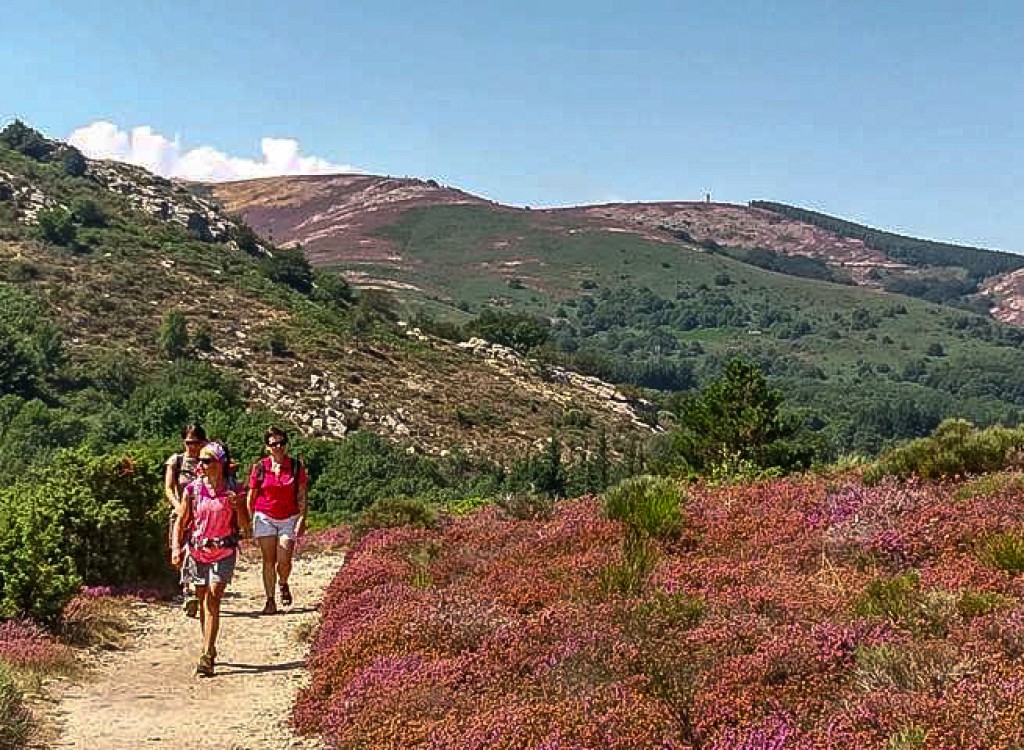
The history of the Languedoc can not only be read in books, but it is also visible in the landscape itself. You'll find villages strategically built on hilltops, while fortified towns tell their stories of defense and trade. Ancient routes wind through the terrain, followed by natural lines that have existed for centuries.
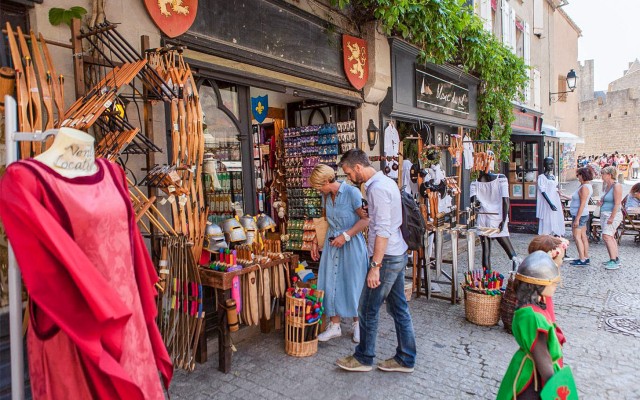
The influences of the Romans, the architecture of the Middle Ages and the fascinating history of the Cathars have all left their mark on this region. A number of Cathar castles are even on the provisional UNESCO World Heritage List. What makes this cultural richness special is that it is not merely a collection of disparate elements. A walk through one of the villages often feels like a journey back in time, an encounter with the past. For those looking to delve deeper into the culture and history, there are numerous fortresses and chateaux to explore, each with their own stories and secrets.
Wine and viticulture as part of everyday life
Viticulture is closely linked to the Languedoc. From your holiday home in a wine region you will have ample opportunity to enjoy the grapes you see hanging on the vines. The vineyards not only shape the landscape, but also the rhythm of the year. The variations in soil, altitude and climate give rise to a wide range of wines, which are often approachable and have a distinct character. This variety in wine styles is in line with what Vin de France says about the diversity of French wine regions. Visits to wineries are usually informal; you are often welcomed by the winemaker themselves and have the opportunity to taste wines at your leisure. You can find out more background information on wine in Languedoc-Roussillon.
Why is wine so important in Languedoc?
- Wide variety in soils and microclimates
- Long tradition of viticulture
- Informal, accessible wine culture
- Strong intertwining with landscape and cuisine
Markets: the rhythm of the region
Markets play a vital role in daily life in Languedoc. They are not merely tourist attractions, but genuine meeting places for both locals and visitors. Here, you can find a variety of local products, meet people from the area, and get a clear sense of the pace of life in the region.
Many holidaymakers adapt their daily schedule to fit in the markets. A morning visit, followed by lunch featuring freshly prepared dishes and a relaxing afternoon, is a popular way to spend the day. For practical information on the locations and days of the markets, please visit markets in the Languedoc.
Regional dishes: simple and local
The Languedoc cuisine is a reflection of the landscape in which it originated. Do not expect complicated haute cuisine here, but rather simple dishes derived from local products. Beans, vegetables, meat, olive oil, and herbs form the basis, while along the coast, fish and shellfish provide a delicious addition.
What appeals to many holidaymakers at FranceComfort Holiday Parks is the purity of this cuisine. Dishes are prepared in an attractive way without much frills. Take the time to enjoy this quietly. For more background information, you can take a look at the regional dishes page.
Sea and seaside resorts on the Mediterranean Sea
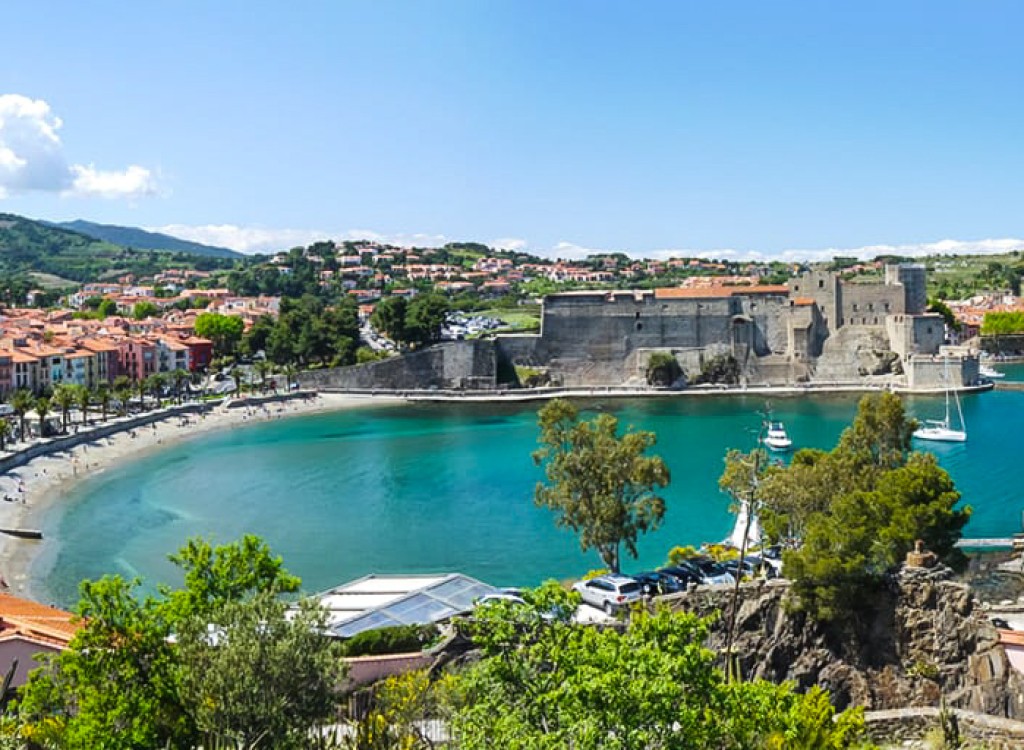
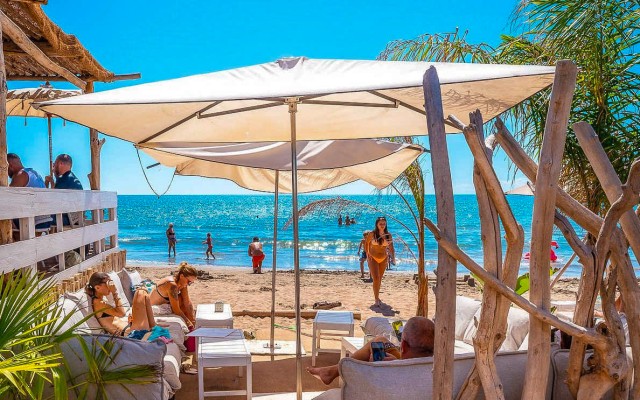
The Mediterranean Sea in southern France is an essential part of the Languedoc, but in this region it plays a different role than in the more upscale coastal areas. The beaches are wide, the coastline is open and the atmosphere is wonderfully relaxing. Even in the busy summer months, there are often quiet places to discover from your holiday home on the coast.
Along the coast are seaside resorts with different atmospheres, ranging from lively and busy to small and intimate. Well-known seaside resorts are Collioure, Cerbère, Port-Vendres, Banyuls-sur-Mer, Argelès-sur-Mer, Saint-Cyprien, Canet-en-Roussillon, Le Barcarès and Port Leucate. An overview of coastal towns can be found via seaside resorts in the Languedoc.