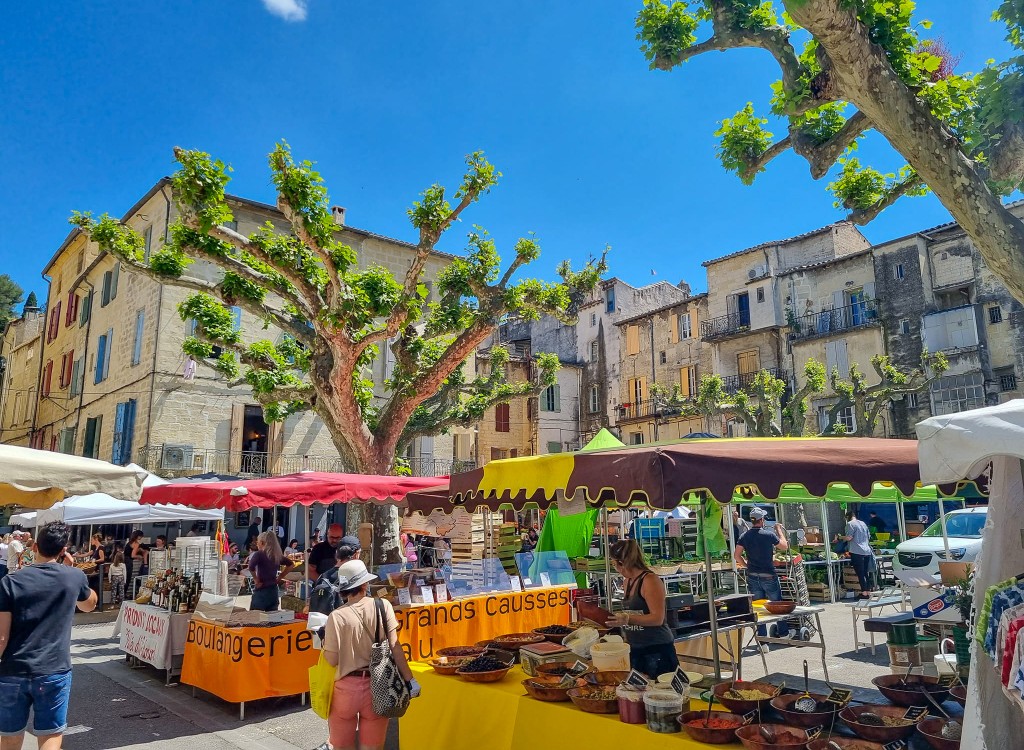
Different types of markets in Languedoc
As france.fr also explains, the Languedoc has a wide variety of markets. Which market you choose to visit depends on the time of year, your interests and where you are staying.
What is an open-air weekly market in Languedoc?
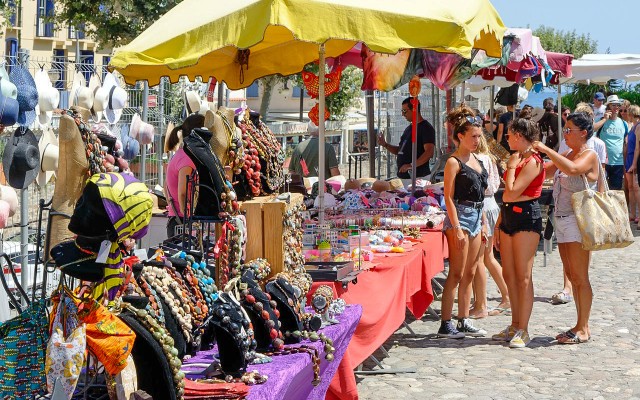
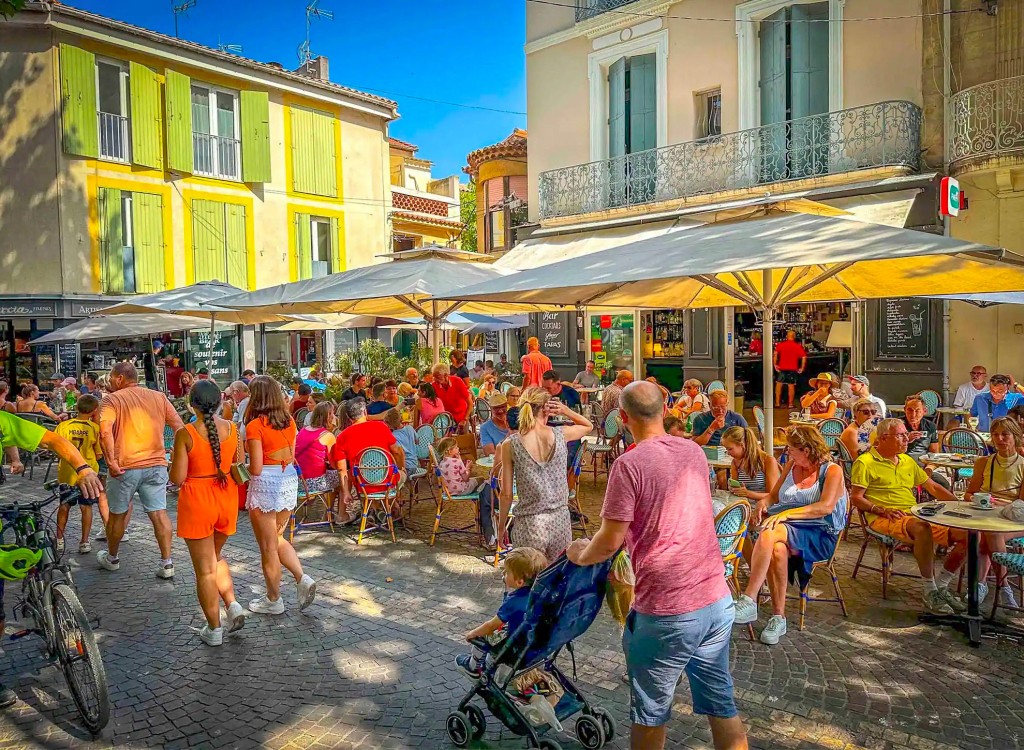
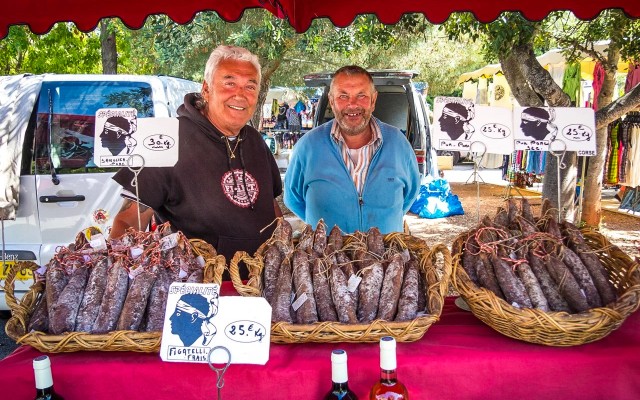
In the Languedoc, open-air weekly markets are the most popular. According to lonelyplanet.com, they form the social hub of many villages and towns. The markets are held in central squares or historic streets on fixed days. The range of goods on offer is diverse and seasonal: fresh fruit and vegetables, cheeses, cold meats, olives, bread and local specialities. Many visitors combine their visit to the market with a cup of coffee on a terrace or a short stroll through the village. Well-known lively markets include those in Pézenas, Uzès and Sommières.
What is the difference between a covered market and a regular market?
Covered markets are found in market halls and are often open several days a week. They offer shelter from both the heat and the rain. Inside, you’ll find a varied selection, with permanent stalls run by butchers, bakers, fishmongers and cheesemongers. One of the best-known markets is Les Halles de Narbonne, where you can find fresh produce all year round. There are also market halls in Béziers and Sète that are popular with both locals and holidaymakers.
What are farmers' markets and regional markets?
Farmers' markets and regional markets are specially designed for local producers. Here, farmers, winemakers and artisans sell their products directly to consumers. You will often find vegetables from small fields, homemade cheeses, honey, olive oil and wine from the immediate vicinity. These markets are smaller than regular weekly markets and are often organized on certain days or as a theme market. In villages within the Minervois and Corbières, farmers' and regional markets are held regularly and are often part of local events.
Are there organic markets in Languedoc?
Yes, in the Languedoc you can also visit organic markets that specialise in produce grown organically and produced sustainably. These markets are popular with visitors who are conscious of the origin of their food, its quality and environmentally friendly farming methods. At the markets, you’ll find a varied selection, including fresh vegetables, fruit, bread, cheeses and sometimes even cosmetics or artisanal products.
What can you expect from flea markets and antique markets?
Flea markets and antique markets are markets selling second-hand items, furniture and curiosities. They often take place monthly and have a different atmosphere than food markets. You will walk past the stalls full of old crockery, linen, books, mirrors and decorative items. Many visitors come here to browse at their leisure and are often looking for that one unique souvenir.
Which markets are fun in the summer evening?
In the months of July and August, evening and summer markets are organized in many villages and seaside resorts. These markets bring together local produce, artisan work and delicious street food at the end of the day, accompanied by music and a relaxed atmosphere. We know from experience that families in particular appreciate these markets during a holiday in France with children. Places such as Leucate, Gruissan and Valras-Plage are known for their bustling summer evenings.
Are there also Christmas and seasonal markets in Languedoc?
In addition to the regular markets, there are also Christmas and seasonal markets in the Languedoc. During the winter months, you can enjoy atmospheric Christmas markets in the larger cities, where local products, beautiful decorations and delicious regional dishes are for sale.
Are you looking for more lovely Christmas and seasonal markets? Then take a look at the markets in the French Alps.