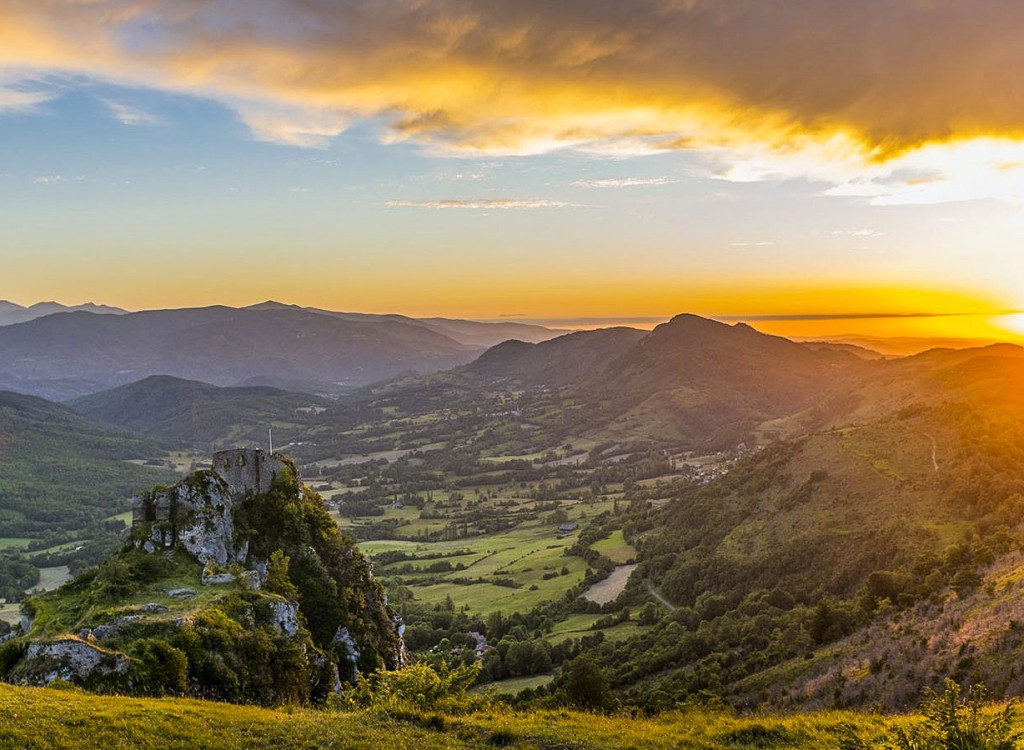
Nature reserves in Languedoc and Ariège: hiking and cycling

Aude, Ariège and Pyrénées-Orientales – hiking and cycling from L'Espinet

A holiday in France can be a unique experience for everyone. For some, it’s all about exploring bustling cities; for others, it’s enjoying delicious cuisine; some want to visit a few markets, whilst others long for sun and sea. In the sunny Languedoc and the quiet Ariège, however, the focus naturally shifts to the breathtaking landscape.

From L'Espinet, situated on the outskirts of Quillan, you find yourself at the crossroads of three beautifully distinct natural regions: Aude, Ariège and Pyrénées-Orientales. Here the foothills of the Pyrenees meet the rolling hills of the Languedoc. The Pyrenees are not only seen as an impressive nature reserve, but also as a cultural landscape in which man and nature have been working together for centuries. Parts of this mountainous region have been recognised by UNESCO for this unique interplay. Rivers have carved deep into the terrain, forests open out towards the vast heights, and quiet roads connect villages that have scarcely changed over the years. 

Our parks in Languedoc     Our homes in Languedoc

Languedoc natuurgebieden 2 Pyreneeen, Ariege en Aude in Frankrijk.jpg

What is the nature like in this part of France?

What makes this region in the south of France unique is the seamless way in which the landscapes merge into one another. There are no abrupt boundaries here. The transition from the flatlands to the low mountain range and then to the high mountain ranges is gradual and natural. This makes nature feel very accessible and intuitive.

In the lower areas, it is mainly rivers, forests and meadows that define the landscape. As you climb a little higher, the forests become more open and mountain meadows come into view. And even higher up, the trees disappear, leaving only grass, rocks and the sky. These different layers create varied natural areas with stunning views.

There are plenty of hiking opportunities in this area. The paths you follow have been used for centuries. Cycling is mostly done through the valleys or on certain parts of the mountains by mountain bikers.

Aude: charming and accessible

For many, the Aude region is their first introduction to the impressive Pyrenees. This department stretches from the vast vineyards in the north to the lush valleys and gorges in the south. The Haute Vallée de l'Aude begins in the vicinity, where the landscape undergoes a striking transformation.

What makes the nature of the Aude so special is its accessibility.
Many hiking trails start directly in or near picturesque villages. Cycle paths wind along rivers or meander along quiet country roads. You don't have to be an experienced mountaineer to enjoy these activities here.

Yet the landscape is far from flat. The rivers have carved out deep gorges, and the plateaus are often higher than you might expect at first glance. Forests alternate with open spaces, offering ever-changing views.

Those who choose to rent a holiday home in the Languedoc can benefit from both sides of this. On the one hand you can enjoy the peace and nature, on the other hand you can set off on the most beautiful bike rides or walks straight from the park. Many guests go for long walks with their dog.

Ariège: rugged and unspoilt

As you enter Ariège, you will immediately sense a change in the atmosphere. Fewer buildings, less traffic and much more space around you. This is truly the beating heart of the Pyrenees. A large part of this department lies within the Parc naturel régional des Pyrénées Ariégeoises, one of France’s largest protected nature reserves.

Here the hiking trails are longer and the routes quieter. The villages are further apart, and forests and mountain meadows stretch out over vast areas where you can wander for hours without encountering any buildings. That vastness gives the landscape a tranquil atmosphere that many visitors notice straight away.

For cyclists, this means long, gentle gradients with little traffic. For hikers, it means you are truly out and about, surrounded by nature. The Ariège requires you to take your time, but in return offers silence and a sense of space.

For those interested in mountainous regions function ecologically, interesting background information is available on CNRS – Centre National de la Recherche Scientifique, which conducts extensive research into biodiversity and climate in the Pyrenees.

Pyrénées-Orientales: mountains and sea

The Pyrénées-Orientales is the most varied of these three regions. To the west, the Pyrenees tower high above the landscape, while to the east lies the Mediterranean Sea. Between these two extremes lies a landscape of slopes, forests, plateaus and river valleys.

The light here is brighter than in the Aude and Ariège and you can see further. The temperature differences are noticeable and the transition from alpine to Mediterranean vegetation is evident.

For those looking for a holiday park near the Mediterranean Sea whilst also wanting to enjoy the mountains, this department offers a unique combination of both.

What does the park manager of L'Espinet see?

The park manager of L'Espinet has been observing the same pattern for years. Guests arrive with plans for a holiday in the Languedoc. They have itineraries and lists of day trips in the wider area. After a few days, those plans all fade into the background.

“People think they have to drive a long way to see something beautiful. But after a few days, they realise that the natural surroundings of the holiday park have more than enough to offer.”

The surrounding area is so varied and has so much to offer that a holiday at L’Espinet is too short to see and experience everything. A holiday home in Espinet is ideal for guests who want to combine peace and nature with activities and sights. An added bonus is that the holiday park in the Languedoc has plenty of facilities for young and old alike.

Combining nature with other regions

Many guests who choose a FranceComfort holiday home discover that each region has its own character. Many guests visit a different FranceComfort park every year. For example, anyone who has been to the Dordogne and stayed in a luxury holiday home there will recognize the tranquillity, but will notice that the landscape in the Languedoc is more rugged.
The same applies to the region a little further along the Mediterranean coast: Provence. There, light and openness prevail, whilst the Pyrenees offer more relief and shade. Anyone who has stayed in a holiday home in Provence will recognize this. The situation is quite different in the vast plains along the Atlantic coast. The rolling countryside of Poitou-Charentes is much flatter than the mountains of the Languedoc or the hills in the Dordogne. During a stay in a holiday home in Poitou-Charentes, you will enjoy a whole different experience.

France’s natural landscape: regional variations

Anyone who travels to France regularly will notice how much nature can vary from region to region. Whilst the southern Languedoc and the Ariège are characterised by rugged terrain, varying altitudes and mountainous landscapes, the natural environment in other parts of France is quite different. In the nature reserves of Poitou-Charentes you will find a more open landscape with marshes, rivers and gently rolling views.

In the south, along the Mediterranean Coast, the emphasis is on light, aridity and Mediterranean vegetation. The nature reserves in Provence and on the Côte d'Azur consist of lavender fields, limestone plateaus and hills with vineyards and olive trees.

The Dordogne Valley in France has a completely different character, where rivers, forests and limestone cliffs shape the landscape. The natural surroundings here feel welcoming and sheltered, with plenty of opportunities for walks along the water’s edge or through old villages.

Those seeking the high mountains will find themselves in a completely different setting. In the French Alps, it’s all about altitude differences, alpine flora and a harsher climate. Nestled between the high mountain peaks lie the valleys with their alpine villages.

These differences are what make France so ideal for holidays across multiple regions. Each area calls for a different pace and offers its own way of experiencing nature.

The most famous nature reserves

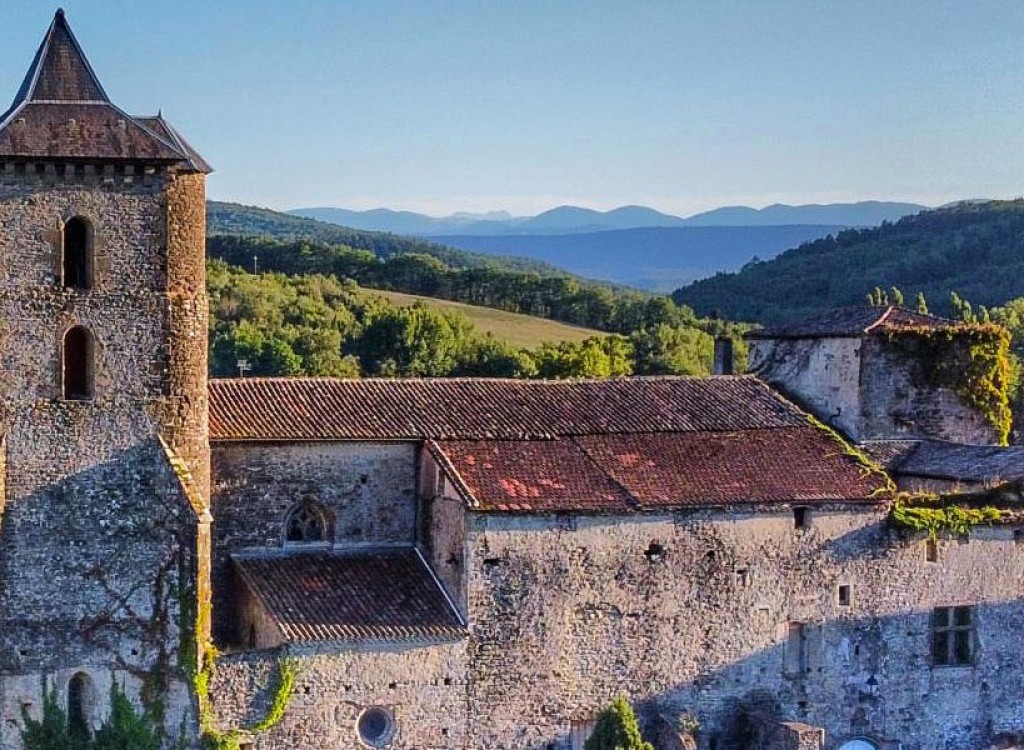
The nature reserves in this overview are the most famous in the landscape of the southern Languedoc and Ariège. They are often the first places you discover during your stay, and together they offer a good overview of the alternation between valleys, gorges and mountains. With many locations close to your accommodation, they show how close nature and everyday life are here. There is plenty of opportunity to walk, cycle and explore the countryside at your own pace. Along the way, you will see castles and palaces and Cathar castle ruins.

Parc naturel régional des Pyrénées Ariégeoises

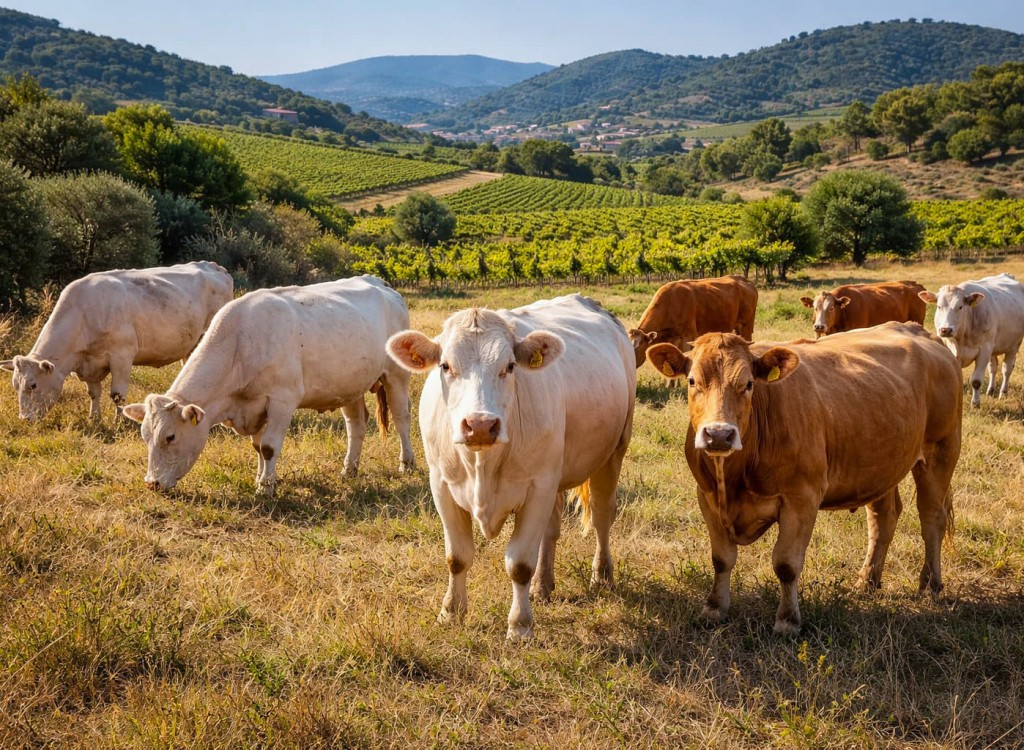
The Parc naturel régional des Pyrénées Ariégeoises covers a large part of the Ariège department. Here, you’ll pass through vast valleys dotted with mountain pastures, where cows and horses graze peacefully. Forests gradually give way to open landscapes. The villages are scattered about and often cling to the slopes. What makes this region truly unique is the unbroken atmosphere you experience there.
The routes are beautiful throughout, and after every bend you’ll be surprised by new views. You’ll encounter a variety of flora, from alpine flowers to lush grasslands and woodland vegetation. You can spot marmots, vultures and deer at a short distance. 

Plateau de Sault

The Plateau de Sault is higher than you might expect and feels open and spacious. The landscape is characterised by long lines, sweeping views and a leisurely pace. In spring and summer, the lush colours of the green meadows dominate the scene.
The area is ideal for cycling; the roads are long, flat and quiet. If you go for a walk, you’ll encounter hardly no changes in elevation, allowing you to focus more on the beautiful views and the stunning flora and fauna. 

Forêt de Bélesta

The Forêt de Bélesta is situated at a higher altitude and offers a beautiful, green contrast to the open valleys surrounding it. As soon as you drive into the forest, the light and atmosphere change.
Hiking here is a relaxing experience; the paths are sheltered, perfect for those hot days. You can cycle along the quiet forest roads, where there is very little traffic. You may spot roe deer, foxes and all sorts of bird species here.
This forest beautifully illustrates just how important diversity is in this region. Within a short distance, you can alternate between open countryside and dense woodland.

Massif du Canigou

The Massif du Canigou is the symbol of the Pyrénées-Orientales. This imposing mountain towers high above the surrounding countryside and, on clear days, you can even see it from the lowlands. For many people in the region, the Canigou has almost iconic status.
Hiking in this area is a true alpine experience and requires proper preparation. The trails are challenging, with significant elevation changes, and offer stunning views but little shelter from the elements.
The vegetation changes rapidly as you climb higher; vast forests give way to typical alpine flora. Chamois, mountain birds and birds of prey are a common sight here. 

Lac de Montbel

Lac de Montbel  lies on the border between Aude and Ariège. The water stretches out wide and calm, surrounded by gently sloping banks. From various spots, you can enjoy stunning views of the Pyrenees. A range of Water sports are available on the lake.
A walk around the lake is a wonderful way to relax and is suitable for walkers of all abilities.
The ecosystem is characterised by reed beds, waterfowl and fish.   

Haute Vallée de l’Aude

The Haute Vallée de l'Aude is the beautiful landscape around Quillan and L'Espinet. Here, forests, rivers and open meadows alternate. You can set off on a walk straight from the park, without having to drive anywhere first. For many guests, this is where the day begins and ends.
Just imagine: a short walk along the river in the morning, followed by a bike ride towards a plateau, or simply following the path wherever it takes you.
Deer, wild boar and countless other animals live in this area, right near your FranceComfort holiday home.

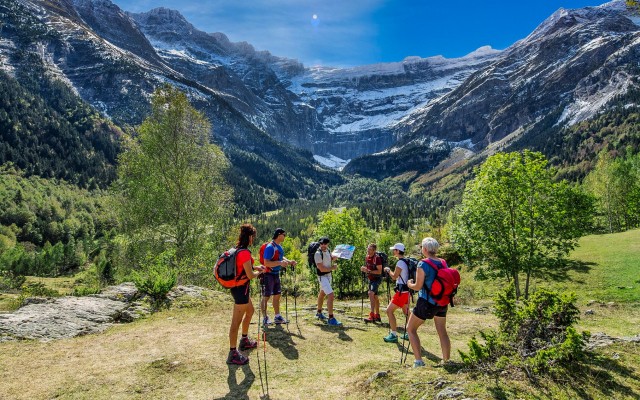

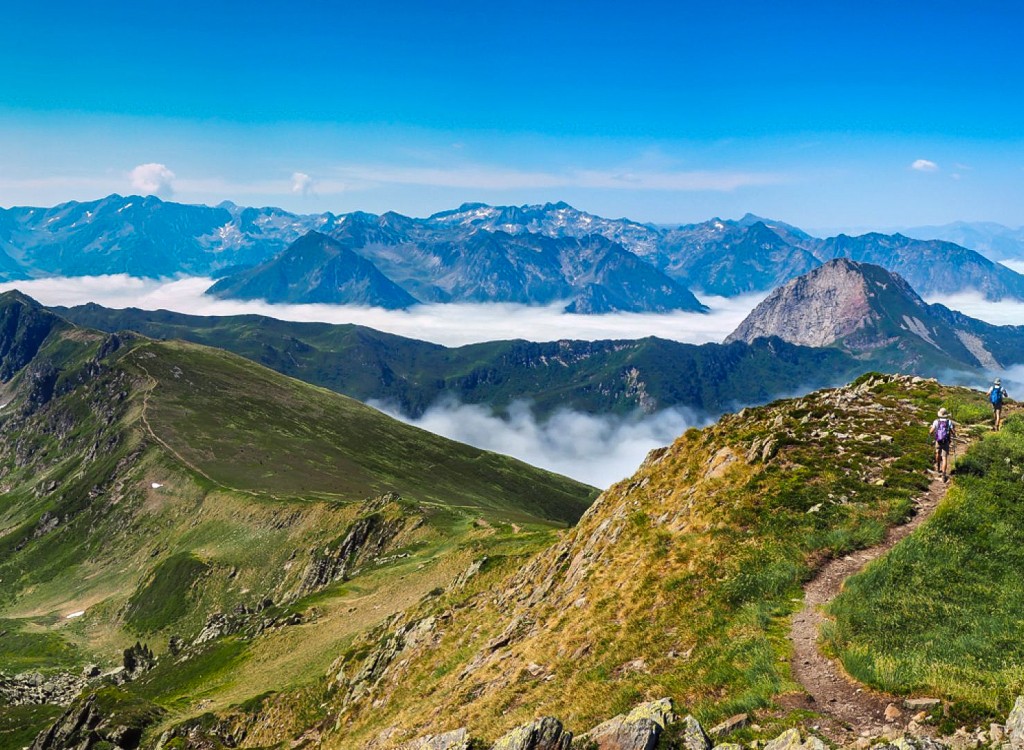
Réserve naturelle de Nohèdes

The Réserve naturelle de Nohèdes in the Pyrénées-Orientales, is one of the most unspoilt areas of the region. The landscape is alpine, with open spaces and sometimes a rugged appearance. Mountain lakes, waterfalls and steep slopes create a beautiful scene. Hiking requires preparation.
The trails are longer and the elevation changes can be considerable. The flora here is exceptionally rich and home to many rare species. On the open slopes, you’ll see plenty of marmots scampering about, whilst birds of prey use the thermals to glide majestically through the air.
This area is regarded as a key reference area for mountain ecosystems. The European Environment Agency cites the Pyrenees as a core area for biodiversity research in Europe. 

Vallée de l’Ariège

The Vallée de l'Ariège forms the natural backbone of the department. This vast valley links picturesque villages, side valleys and majestic mountain ranges. For cyclists, this is one of the most pleasant routes in the region. The road winds along the river and climbs gradually.
Many walkers begin their journey from the villages, starting at a low point and slowly working their way up to the dense forests and sweeping mountain pastures. The landscape remains open and inviting. Here you may encounter kingfishers, otters and various waterbirds; they are the permanent residents of this area.

Gorges de Galamus

The Gorges de Galamus form a narrow gorge where the river has carved deep into the limestone. The landscape here is compact and vertical. You walk between steep rock faces, often in the shade, with the sound of flowing water in the background.
Hiking through this gorge is a short, but intense experience. The path winds through the gorge, constantly offering new and surprising views.
The surrounding nature is lush, with ferns, mosses and various rock plants adorning the landscape. Above you, birds of prey regularly soar through the air. This is truly a place where nature displays its power in an impressive way, all within a confined space.

Gorges de la Pierre-Lys

If you drive north from Quillan, you will soon find yourself in the Gorges de la Pierre-Lys. This impressive gorge lies near L’Espinet and feels almost like a natural part of the landscape. The road winds its way between high rock faces, with the river flowing deep below.
If you go for a walk, you’ll follow the contours of the landscape, feel the refreshing shade and constantly hear the babbling water all around you.
This area beautifully demonstrates just how accessible nature is here. You don’t need to make a long day trip of it; a couple of hours is enough to really experience the landscape.

Our holiday parks in Languedoc      Our holiday homes in Languedoc

Twenty lesser-known nature reserves that you’ll often have all to yourself

As well as the better-known nature reserves, this region boasts a large number of spots that are rarely mentioned in travel guides, but which are particularly appealing to guests staying at a holiday park near the Pyrenees. These aren’t the sort of places with car parks full of cars or information boards at every viewpoint. These nature reserves are areas where you’ll find peace and quiet, wide open spaces and unspoilt nature. During your walks through the nature reserves, you’ll pass through the picturesque villages in Languedoc. The villages of Rennes-le-Château and Mirepoix are particularly worth a visit.

Vallée du Rebenty
The Vallée du Rebenty lies south of the Plateau de Sault and follows a narrow river through a green valley. The path winds gently alongside the water.

Gorges de la Frau
The Gorges de la Frau form a rugged gorge on the border of Aude and Ariège. The landscape is narrow and rugged. You can walk between the rock faces here.

Forêt de Callong
This forest area is located on a high plateau and consists of pine and oak forest. It is an ideal spot for hot days when you are looking to cool off.

Col du Portel
The Col du Portel is not a traditional nature reserve, but a pass between valleys. You’ll enjoy stunning views in all directions.

Vallée de Siguer
The Vallée de Siguer is a narrow, green side valley of the Ariège. The river flows swiftly and the slopes are wooded.

Vallée de Vicdessos
This wide valley in the Ariège is home to mountain pastures dotted with ancient villages. Here, you can walk along old paths once used by shepherds.

Étang de Lers
The Étang de Lers is a mountain lake that is often visited by locals. The flora consists of alpine flowers, the fauna of birds and small mammals.

Massif du Plantaurel
The Massif du Plantaurel is a transitional area between lowlands and mountains. The landscape is hilly and green, with caves and forests.

Plateau de Mouthoumet
The Plateau de Mouthoumet is a high plateau with very few buildings. Here, you really feel as though you are far removed from civilisation.

Pic de Trois Seigneurs
This striking mountain peak is visible from large parts of the Ariège. For mountaineers, this is a challenging day trip offering stunning views.

Parc naturel régional des Pyrénées Catalanes
This park in the Pyrénées-Orientales consists of high plains, forests and lakes. The landscape is open and light, with views of the mountains all around.

Vallée de la Têt
The Vallée de la Têt connects the mountains with the coast. The landscape gradually changes from alpine to Mediterranean.

Forêt de Boucheville
A quiet woodland area where you can walk for hours without encountering a soul. For those seeking absolute tranquillity, this is an ideal spot.

Forêt de la Matte
The Forêt de la Matte is a dense forest area where you can cool off during hot summer days. The area is little visited by tourists.

Col de Jau
The Col de Jau is a peaceful mountain pass with views across several valleys. Here you can spend some time enjoying the surroundings.

Vallée de l'Agly
The Vallée de l'Agly is dry and open, with Mediterranean influences. The nature is beautiful and rich in flora and fauna.

Plateau de Cerdagne
This high plateau almost feels Spanish. Lots of sun and open countryside. Remember to bring water with you when you go here.

Jasse de la Llauze
This high-altitude area consists of open meadows and rocky terrain. You can often spot chamois and birds of prey here.

Gorges de Carança
This spectacular gorge is known for its paths along the rock faces. It is an impressive area best visited early in the day.

Vallée du Tech
The Vallée du Tech is a combination of river landscape and mountain slopes. The routes take you over both high ground and flat sections.

Languedoc natuurgebieden 4 Pyreneeen, Ariege en Aude in Frankrijk.jpg

Hiking in the nature reserves

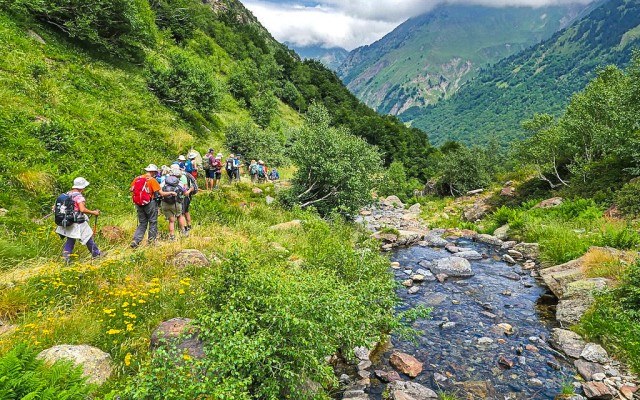
The nature reserves are best explored by foot. From a holiday park in the Languedoc such as L’Espinet, you can step straight onto a network of paths and quiet roads.

The best period for hiking in the Aude and Ariège is in May and June and from September to early October. During these months, the temperature is mild and nature is at its best. High-altitude areas in the Ariège and Pyrénées-Orientales sometimes stay cool a little longer in the spring.

More information about hiking can be found on hiking during the holidays and hiking in the Languedoc. Internationally, this type of recreational exercise is seen as a sustainable form of nature experience. The European Ramblers Association emphasizes the importance of long-distance trails and quiet regions.

Languedoc natuurgebieden 7 fietsen Pyreneeen, Ariege en Aude in Frankrijk.jpg

Cycling in the nature of the Languedoc

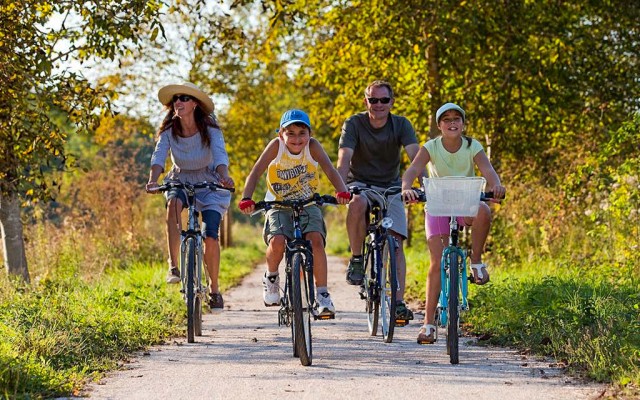
If you are looking for a region to cycle in France, the region with the departments of Aude, Ariège and Pyrénées-Orientales is very suitable for that. Cycling is possible from April to October, depending on the altitude and weather. In the summer, it is preferable to start early in the day.

The foothills of the Pyrenees and the valleys around Quillan are good for cycling. High plateaus such as the Plateau de Sault also offer sufficient cooling in summer. This seasonal spread makes the region suitable for a holiday park near the Pyrenees outside the high season, when peace and space prevail.

Information about cycling in other regions can be found on Cycling in Provence, Cycling in the Dordogne or Cycling in the Lot.

Best time to visit by type of nature reserve

Valleys and forests (Aude, Forêt de Bélesta)
May, June and September are ideal. The temperature is pleasant, the countryside is fresh and the light is soft.

High mountains and reserves (Ariège, Nohèdes)
June and September offer the best balance. In July and August, we recommend setting off early in the day. When it gets really hot, you can return  to your holiday home for a dip in the pool.

Plateaus and Mediterranean valleys
Spring and autumn are more comfortable than summer. In summer, it is best to go out in the morning or evening.

This variation makes the region attractive outside the peak season, particularly for a holiday home in the Pyrenees.

Weather in the southern Languedoc and Ariège

The southern Languedoc and Ariège have a transitional climate between Mediterranean and mountain influences. This ensures plenty of sun and pleasant weather conditions for outdoor activities.
In the Aude and the lower parts of the Pyrénées-Orientales, summers are warm and dry, with temperatures in July and August varying between 27 to 32 degrees. In spring and autumn, temperatures are usually between 18 and 25 degrees.
The Ariège and high-altitude areas are cooler. In summer, temperatures here are generally 5 to 8 degrees lower than in the lowlands. The region has an average of 2,300 to 2,600 hours of sunshine per year. Precipitation falls mainly in spring and autumn, usually in short, heavy showers. Summers are mainly dry.
Wind is especially common in the Aude, where the tramontane blows in the spring. In the valleys it is usually more sheltered and quieter.

FranceComfort experience from practice

At FranceComfort Holiday Parks, we have noticed that guests often stay longer than planned. Not because of the plenty of things to do, but because of the pace of life in the area. A FranceComfort advisor puts it this way:

"This is not a region for quick highlights. It is a place where people only really settle in after a few days."

That makes a FranceComfort holiday home here ideal for those who want to experience nature without sacrificing comfort.

A guest’s personal experience at L’Espinet

A returning guest put it aptly recently:

"We came for a week of hiking. We stayed for two weeks and used the car less than at home. Everything we needed was right there around us."

According to him, the strength lies in the combination of nature and comfort. Hiking or cycling during the day, returning to the holiday home in Espinet in the afternoon, cooling off in the shade or inside the air-conditioned villa, and heading out again in the evening. Nature is something you can fully immerse yourself in, if only for a while.

Frequently Asked Questions (Improved FAQ)

1. Is this region suitable for an active holiday?
Yes. The Aude and Ariège offer many hiking opportunities, even for inexperienced hikers.

2. Can I combine walking and cycling from a single base?
Yes. From L'Espinet, walking and cycling routes start right in the local area, so you won’t need to use the car every day.

3. Why is this region suitable for families?

The coutnryside is easily accessible. Families with young children can hike on flat paths and in valleys with little elevation gain.

4. When is it quietest in the Languedoc?
In May, June and September. In these months, the landscape is quiet and the temperatures are pleasant for hiking and cycling.

5. How do I know if I can go hiking in other regions of France as well?
Yes, you can go hiking in the Poitou-Charentes. You may also wish to read the pages on hiking in the Dordogne and hiking in Provence. In the Alps, you’ll mainly go on mountain walks.

Your base for nature, hiking and cycling

Would you like to experience this natural beauty for yourself, go walking and cycling from your accommodation and return to peace and space at the end of the day? From the L’Espinet holiday park, you’ll be staying in the heart of a landscape that invites you to get out and about, without having to drive long
distances every day.
You will walk along rivers and through valleys, cycle on quiet roads towards plateaus and mountains, and then return to the comfort of your own holiday home in France. Here, you set your own pace: a short walk in the morning, a longer hike in the afternoon, or simply a day spent close to home.
From a single base, you can explore the natural beauty of three regions: the Languedoc, the Ariège and the Pyrénées-Orientales.

Our parks in the Languedoc     Our homes in the Languedoc     Order an Environmental sticker     Order a Toll badge